7D vs 12D HIFU: Compare the Model, Not the Label
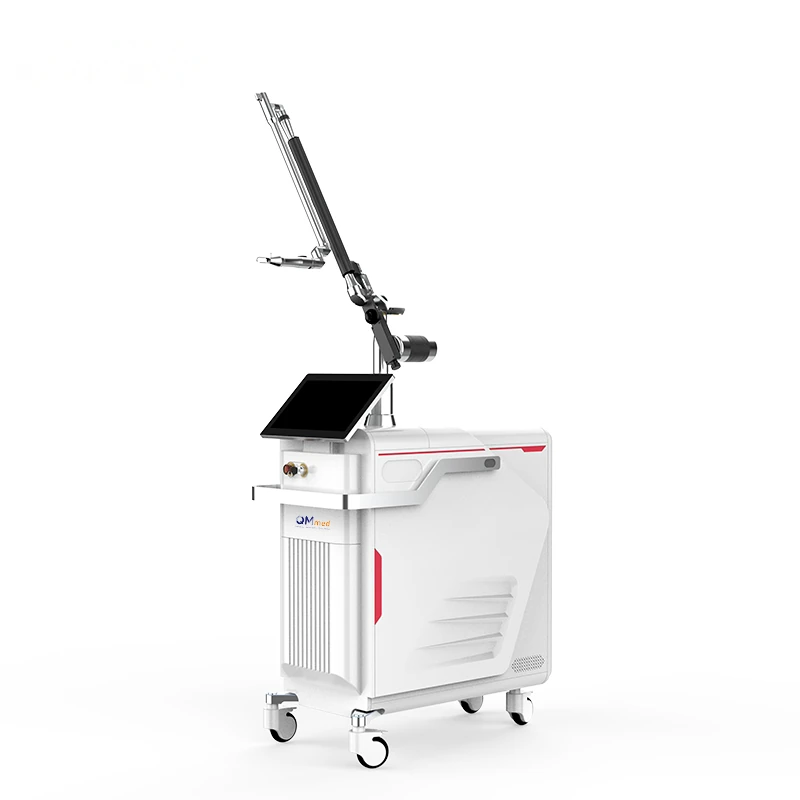
Use model-specific handpiece, cartridge, document and support information instead of assuming performance from a marketing label.
HIFU product listings often use names such as 3D, 4D, 7D, 9D, 12D or MPT. A buyer should treat these labels as a reason to ask for the exact model specification, not as a universal ranking of performance, safety or commercial value.
This guide helps compare purchase information. It is not a treatment protocol, an efficacy claim or a recommendation for a particular patient.
Compare the model, not the number in the name
Two systems with similar names may have different handpieces, cartridges, controls and intended applications. Conversely, a higher number in the marketing name does not by itself prove a better clinical result or a more profitable service.
Do not infer a standard cartridge depth, shot life, line count or energy output from “7D” or “12D”. Ask for the documentation for the exact configuration being quoted.
Build a side-by-side procurement sheet
| Item | What to request |
|---|---|
| Model identity | Exact model name, manufacturer and configuration |
| Intended use | Current manufacturer instructions, warnings and operator requirements |
| Handpieces | Which are supplied, optional or incompatible with other models |
| Cartridges | Part numbers, documented depth options and included quantities |
| Output and controls | Specified ranges, adjustment steps and applicable limitations |
| Shot or service-life figures | The component, definition, conditions and warranty implications |
| Consumables | Replacement price, ordering quantity, availability and estimated lead time |
| Documents | Current documents covering that exact model and configuration |
| Support | Training format, warranty scope, parts and freight responsibilities |
A cartridge pictured on one system should not be assumed compatible with another. Keep model-specific figures separate; do not combine the most attractive specifications from different pages into one configuration.
Check the business case without assuming results
Use your own expected purchase cost, consumables, staffing, treatment-room costs and realistic booking assumptions. Compare several scenarios rather than treating a supplier's session price or payback period as guaranteed revenue.
Expected outcomes, suitability, treatment intervals and safety require assessment by appropriately qualified professionals using the actual device instructions. Skin type alone does not establish that a treatment is suitable or risk-free.
Confirm destination requirements
Before ordering, have your local importer or qualified adviser check the exact device, intended use, premises and operator requirements. A foreign certificate or a product's “D” label is not a substitute for that check. Ask for the documents actually available, including a clear statement when requested evidence is unavailable.
What ZENLASE can provide
We can compare the documented configurations, available cartridges and current quotation terms for shortlisted models. Standard equipment training is free, with the format and language confirmed by model. Factory after-sales support, warranty duration, covered parts, consumable exclusions and replacement logistics are recorded for the order. We do not promise one cartridge life, warranty period or treatment outcome across the range.
Compare HIFU equipment, review support terms, or request a model comparison.